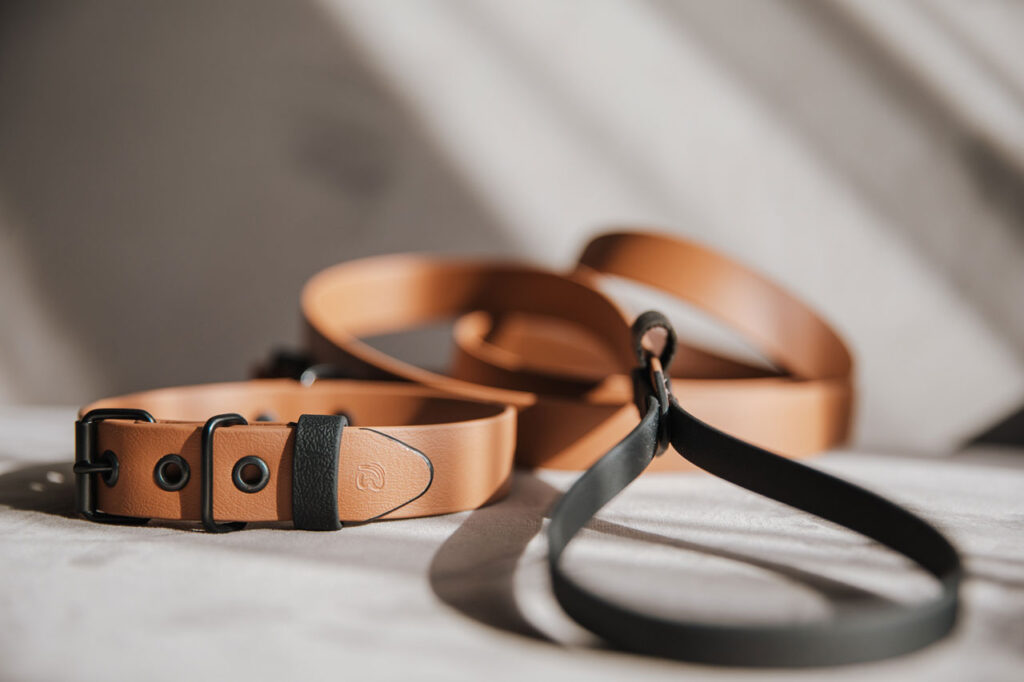
For pet owners and their four-legged companions, the industry offers such a wide variety of products that an average person can easily get lost. How to choose the most suitable and safest option for both the dog and the responsible owner?
COLLAR
A puppy should first become familiar with a collar while still at the breeder’s, with its mother. The very first “collar” is a small ribbon placed around the puppy’s neck within minutes of birth. These ribbons are usually colorful and serve to distinguish each puppy. At the breeder’s, puppies are gradually introduced to collars made specifically for young dogs.
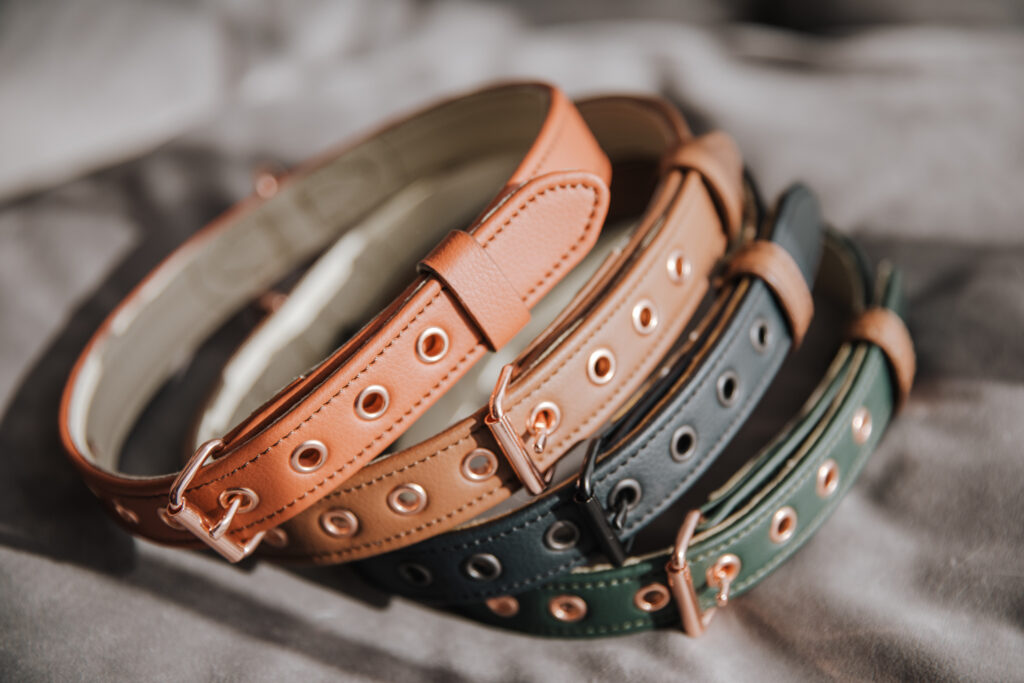
A collar must be good, comfortable, high-quality, and properly used. It shouldn’t be too tight or too loose. When fastened, you should be able to insert one to two fingers between the collar and the dog’s neck, pushing firmly to ensure even pressure distribution. If it’s too loose, the dog might slip out. Wider collars are generally safer, as they distribute tension better and are less harmful to the trachea.
Avoid collars that are too thin or too thick, unless the dog has an especially sensitive neck (e.g., racing breeds). In such cases, special collars should be custom-made for that specific dog.
Getting a dog used to a collar is a gradual process: wear it indoors, take it off at night (during the training phase), then start using it only when going outside, and remove it after returning home.
The collar clasp is important for both safety and comfort. Check whether it is secure, whether it can withstand impacts, and whether it’s made of durable materials that won’t fail in critical situations.
A collar shouldn’t just be an accessory — it’s also part of the training process. The collar and leash are essential for the dog’s safety and life, so choose only reliable manufacturers and high-quality materials (canvas, genuine leather, or Biothane).
When choosing a collar, keep in mind that different manufacturers have different size standards. It’s very important to measure your pet’s neck accurately. If you’re ordering a custom-made collar, additional information such as breed, age, weight, and character is important.

LEASH
Pay attention to how the leash is attached, what kind of stitching is used, the type of carabiner, and whether it could injure your hands. The leash must be comfortable to hold — it shouldn’t cut into or hurt the hand. One of the most convenient options, especially for women, is a rubberized leash with rounded edges.
Retractable “flexi” leashes encourage constant pulling because the dog doesn’t understand its boundaries. In stressful situations, pulling the dog closer can be difficult and even dangerous, as the leash can injure or scare the dog. When dropped, the sound made by the retracting mechanism can frighten sensitive dogs.
Flexi leashes are more suitable for professionals or trainers with many years of experience working with dogs.
Waist-attached leashes are great for jogging, running, carrying groceries, or walking with a coffee cup, keeping both hands free.
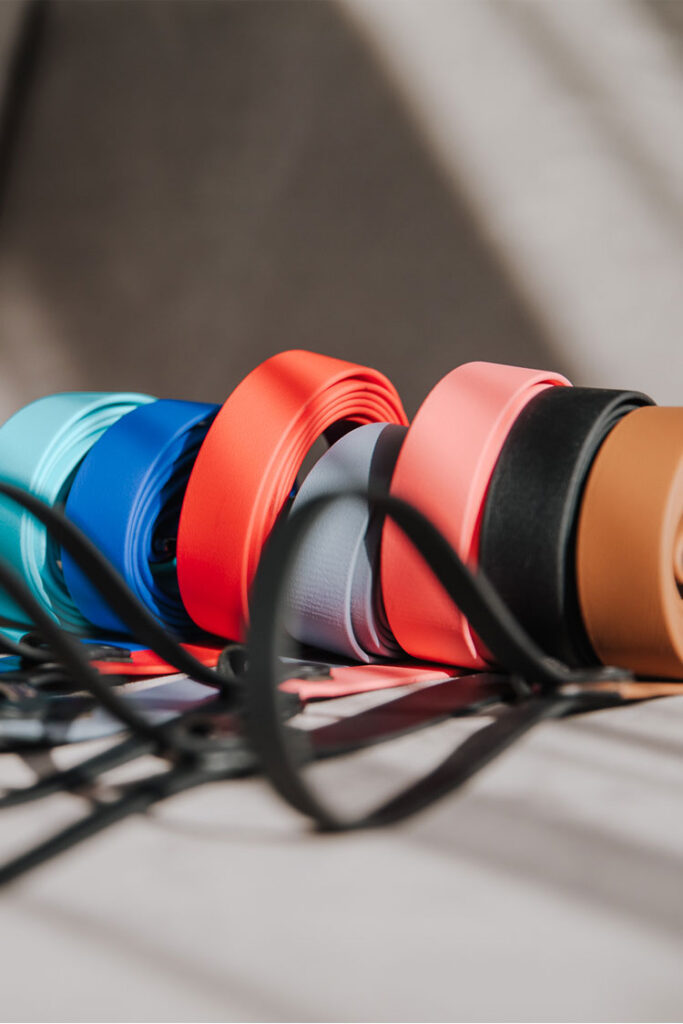
The safest leash is about 2 meters long, with a secure carabiner, comfortable for the hands, and made from quality, durable materials: canvas, genuine leather, hexa leather, or multifunctional rubberized materials. Pay attention to the material, stitching, clasps, and buckles.
HARNESSES
What’s trendy isn’t always the best choice. Harnesses are useful in cases of tracheal issues or during specialized pulling training or sports activities.
For everyday use, Y-shaped harnesses are the most comfortable — they don’t restrict shoulder movement or press into the armpits. However, research shows that many types of harnesses, especially anti-pull ones, limit shoulder extension and shorten stride length. This can lead to orthopedic issues or spinal injuries, especially in growing dogs.
Think carefully before choosing a harness for daily walks. If your dog pulls excessively, the best solution is to attend a dog training school where you’ll receive guidance to improve both your life and your dog’s — without harming their health.
Always choose collars and leashes from trusted manufacturers. Ideally, have personal contact with the maker or company that will carefully select and tailor the collar or leash to your dog’s individual characteristics. Never skimp on a high-quality collar and leash — it’s better to have one durable, safe, and slightly more expensive set than multiple cheap ones from general stores or discount websites.